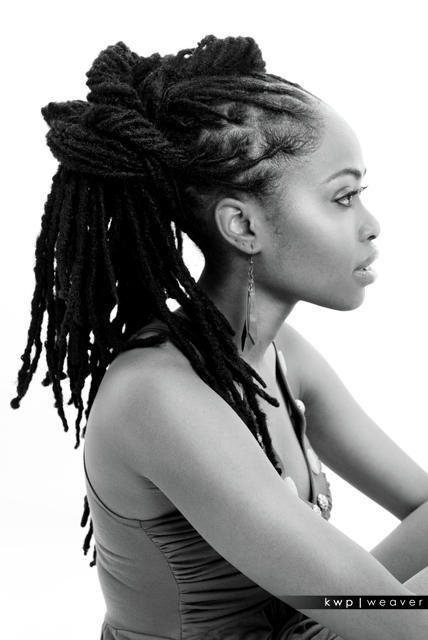
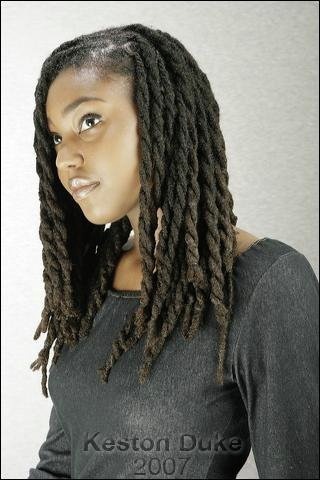
Showing posts with label balding in black women. Show all posts

Wednesday, September 19, 2012

Organic Herbal hair mist! Made with home plants,


Organic Herbal hair mist! Made with home grown plants, 
by Healing herbs by Rene'
Natural Organic hair & skin products!

 Herbal Hair Mist Spray Healing herbs by Rene Herbal hair Mist is one of the best Mist around does not need refrigeration, but can be for extra freshness and last for about 3-4 months in room temperature. It has over 25 Herbs and Oils. The herbal hair mist is a hair Fertilizer promoting healthy hair growth, also refreshes your scalp after a workout. Great for Hot and humid days. Helps stop hair from braking and shedding. Spray it on daily as many times as you like. .

Organic Herbs, Teas, Pure Essential oils, & Base oils"No harsh chemicals, 100% All Natural Plant base, preservatives"including 
All for Healing, Repairing, Restoring,Hair

Scalp Stimulant, Kills fungus, sanitizes, keeping Hair fresh & clean. Also Nice on face to as a mist. Helps with some people Acne.


Order your Natural Hair Mist@ Healing Herbs by Rene'


Saturday, September 8, 2012

Silk Biotin hair growth lotions, for thinning hair, Natural hair care products~


Healing herbs By Rene' Silk biotin hair growth lotion....


This Biotin Hair growth lotions promotes postive hair growth. Soften and moisturizes the hair. Biotin strengthens the hair follicles, that aids to healthy hair growth. The hair shaft benefits from biotin and this makes it less likely to break off or split at the ends. This is one of the many biotin hair growth benefits. Blended with maca, and other beneficial oils and herbs, this lotion is wonderful.

~What is Biotin?
Biotin is referred to as “B-7” or “vitamin H”. Biotin is a B-complex vitamin and research has even proven that those who don’t have enough biotin may suffer from specific skin problems like eczema, skin rashes or seborrheic dermatitis in infants (Cradle Cap). Biotin strengthens the hair follicles, which promotes healthy hair growth.


Sunday, October 2, 2011

Dreadlocks Hair Care!


DreadLocks


Dreadlocks are a natural way of wearing your hair that was made world-famous by Bob Marley and the Rastafarians in Jamaica. 

For black women 
the advantages of dreadlocks are considerable:
  • Once formed, dreadlocks are way less work than most other ways for a black woman to maintain her hair.
  • It is completely natural: no dangerous chemicals needed.
  • It is a way to show pride in being black.
Most black women, at least in America, either put dangerous chemicals in their hair to straighten it or they wear wigs or weaves – hair that is not naturally theirs. So dreadlocks are one way to wear one’s own hair in a natural way.Some companies do not like you coming to work in dreadlocks, but most will accept them if they look nice.

You need a special kind of 
shampoo to wash dreadlocks. Most shampoos have stuff that will stay in your hair after you wash it. Combing and brushing will get rid of it, but with dreadlocks you never comb or brush, so it will just build up in your hair and cause trouble.

The reason dreadlocks get that gray look is because of the wax that is used to help form and maintain them. You can do it without the wax but it is harder.

See also:
 
dreading methods include: 
natural/neglect
 - just stop combing
twist and rip
-twist hair separate pull repeat
backcomb
-comb the hair backwards towards the scalp
twist and neglect
-great for african hair just twist then let it do its thing
crochet
-use a crochet hook to weave hairs together
Natural
-The natural methods is technically the best method for everyone's hair and causes 0 damage to the hair. Just let your hair do what it wants to do when you feel lil dreads starting to form begin separating them accordingly.
Advantages: This completely natural people nothing to it just letting it grow for itself.
Disadvantages:Well its natural but the only real problem would be the shape of the dreads and the size they will come out as. If you separate them the way you want then you could end up with great looking ones or messy but beautiful ones. Also this method is not for the people afraid to look a lil messy.
2strand TwistTwo strand twist seem to have become oddly popular in the dread community due to multiple artist getting them done. Its just two even groups of hairs twisted repeatedly into coils. No real damage is done in this method. (Works best on African hair)
Advantages:Its extremely simple to do barely any damage and if you want salon looking dreads i guess this would be for you.
Disadvantages:Until they mature a little sometimes gel will be needed.
Twist and Rip- Its similar to the 2 twist method but very different. With this method you will yet again gather the hair into two equal strands then twist them together then pull them down the middle to the scalp. This creates knots forming the dread. You would keep going down the dread till you get to the tip. Its one of the most recommend ways to create dreads
Advantages: Very simple like the 2twist method and very little damage done. Dreads become very nice through this method. Can be done on any hair texture.
Disadvantages: It does cause a certain amount of damage. But not as much as backcombing.
Backcombing- This method suggested by dread companies because of how you will look before they mature a little aka Sonic the Hedgehog Although this is how my dreads were formed I wouldn't suggest doing it. It causes stress against the hair follicles. With this method you section the hair off into blocks then take a section and comb towards the scalp with a metal comb the hair will begin bunching up at the scalp slowly forming the dread.
Advantages: Extremely simple to do anyone with a metal comb can do it. Can be done with any hair texture.
Disadvantages: Will cause you to look like Sonic for a couple of days or weeks. Damages the hair more than the first methods will. Also can be extremely painful if you have help.

WORST FOR YOUR HAIR-
Crocheting-Latch Hook-Sadly this evil method is pushed upon people looking to get dreads done without getting the facts first. Crocheting will make your hair in to "perfect" looking dreads but will utterly damage it Its weaving the hair together.
Advantages: Well if you are one of those extremely impatient people I guess this is right for you it will give you instant looking dreads.
Disadvantages:This is one of the worst ways to form them. You are sticking a metal pin in and out your hair and often breaking the inner hairs. This causes so much weakness in the dreads and breakage at the root. Especially when to "maintain" these dreads you are to continually stick them. This reach for perfection is ridiculous and not natural.
Interlocking Is the most pushed thing in salons for beginning and maintaining locks. Its the interloping of hair till the lock together. They twist the lock and pull it through the roots of the hair. This is quite damaging for the hair as the roots are often over tightened and weak to the point of falling off.
Advantages: They look slightly good for a period of time.
Disadvantages They will eventually fall out. This method is pushed on people cause salons make you think dreads have to be perfect and the only way to do this (to them) is constant locking. Also cause they get paid by the hour (around 80 to 100) to do this easy yet slow method. This method puts uneven stress upon the lock and roots. This can make the dread look uneven and eventually fall off the head onto your pillow most likely,Once you have done it too much there is no way to really help you recover.
Felting-The second worst way to begin dreads these create instant dreads but at a extremely high cost.
Advantages: Instant dreads thats it there's nothing else good about this.
Disadvantages: So many where should I start well they literally break your hairs to stick them together. This the rough insane version of crocheting . If you choose to do this your hair will most likely fall out or break off this method just causes that much permanent damage.
 

Maintenance-
 With dreads not much is needed to keep them in shape you are suppose to let them do their thing.
Keeping them clean: A residue free shampoo or soap is needed for this. Residues slow down the dreading process and slowly adds gunk into your hair. I personally My Black soap Shampoo You don't have to continuously wash your hair but it has to be clean. Overwashing your hair can cause it to dry out fast washing either twice a week or every two weeks is just fine your hair will not smell bad. To dry them i would first let them air dry a bit then use a blow dryer. When they are still new be careful while washing. As a way to deeply cleanse them a baking soda wash followed by organic (apple cider or vinegar) rinse will be perfect to make sure you get all the residue out your hair. 
Tightening roots Dont mess with them theres no need they tighten themselves but if you really feel the need to you could root rub. Which means basically rubbing the root of the hair against the scalp in a clockwise motion. I wouldn't do this cause it tends to weaken the roots and over tightening them is not good for the dreads. Just let them do their thing.Tightening the dreads There are many ways to attempt to tighten them sea salt(which dries black hair out) lemon juice rinses(which also dry your hair) to name a couple.Beads might help to tighten loos dread sections. Really the thing that will help you the most is to just let them do it themselves. 

WAX- NEVER BUY THIS
 Dread wax is one of the worst buys you can ever make. Its for one non-water soluble meaning what ever you do its most likely wont come out if you use it. The only real ways to get out is either boiling your dreads, using industrial glue remover, repeated high temperature washings or just getting rid of them. All wax is is glue dread companies sell it cause they just want your money and they really don't care about your dreads. Dont buy anything from them. If you really need a wax substitute use straight up aloe vera oil from the plant. If someone from a salon or whatever tells you that you need wax ignore them cause they are ignorant, wax kills.


UPDATE: washing well we don't have to wash as often as others do so i recommend once a week or once every two weeks
                                                          www.healingherbsbyrene.com

Friday, September 30, 2011

Balding in black women,


*By Alexis Garrett Stodghill

Picture

For many black women, maintaining the perfect hairstyle is a central goal. Using weaves or braids to achieve a look without thinking of the consequences is common, but the damaging results are far from pretty.

Recently, a shocking study reported on by CNN

Dr. Monte O. Harris, a renowned African-American doctor and hair care expert who addresses balding in black women, noted that “black hair has a morphology that makes it more susceptible to damage, because there are many breaks along the shaft of the hair,” he said. “It’s amazing that our hair is probably the most susceptible to trauma and we do the most damaging things to it. It’s like a double hit.”

Our extra susceptibility to CCPA was explicitly linked to traction hairstyles, such as weaves and braids. There was no correlation found for relaxers or hot comb usage. While Harris is pleased with the findings, he is concerned that “people are receiving mixed messages from this study.” He is particularly excited that the study “highlighted the increased incidences of hair issues in black women linked to traumatic grooming practices,” which might help black women rethink adopting potentially abusive styles. At the same time, however, the misconception that weaves and braids are uniformly injurious could cause more harm than good.

“I’m concerned about it because it’s making it seem like relaxers are good and weaves are bad,” said Harris. “Things need to be put into a context, particularly with weaves [since they] are done in a variety of ways.”

Anu Prestonia, president and owner of Khamit Kinks natural hair salon in Brooklyn, has over twenty years of experience observing the many variables that affect the impact of traction styles. She was hesitant about the results of the study. revealed that weaves and braids may contribute to a type of permanent hair loss known as central centrifugal cicatricial alopecia, or CCCA, a form of baldness that begins at the crown of the head and leads to scarring. A staggering 59 percent of black women who participated in the study had hair loss on the top of their scalp.


“I couldn’t agree that it’s primarily braids and weaves,” she said. “It’s bad braids or weaves. I’ve worn natural styles for twenty years and never had any hair loss, and neither have any of my clients who listen to their stylist’s advice.”

Proper implementation is crucial because these styles can permanently damage the scalp if they are not done correctly. Common poor practices include braiding or weaving too tightly, using too much hair, and stylists submitting “to clients who become addicted to a particular style,” Prestonia explained. “They could be having quality braid styles done by someone who is really skilled, but three years down the line they’re getting the same braid style. That will cause traction alopecia,” she said.

Harris concurs. “Having one particular style puts prolonged tension on the hair follicle. You really shouldn’t feel [any tension]. That’s one of the signs that there may be some inflammation.”

Inflammation caused by tight, repeated traction styles leads to subtle hair loss that often goes untreated. “Someone may not have an obvious loss, because it usually takes a decrease by almost 40% to see something visible,” said Harris. “Folks with an invisible loss end up being more susceptible to further damage from traumatic styles.”

Harris added that hair loss could also be related to genetics. For someone with a genetic susceptibility, weaves can exacerbate hair loss. Thus, understanding overall health history and tracking the state of one’s scalp over time is essential to maintaining healthy hair. Both should influence the styles a woman chooses. Seeing a doctor in conjunction with a stylist is necessary to develop an individual sense of one’s particular hair needs. Without this understanding, women seeking to cure a hair loss issue in its nascent stages might use a traction hairstyle, making things worse.


Prestonia agrees that clients often take the wrong approach to significant problems. “In consultations, I see women with devastating damage,” she said. “When you come to me and you have three inches of receded hairline, how could you have not seen that coming? Don’t wait until it gets to the point of no return.”

Harris believes women should work with their doctor, as well as their stylist, from the very beginning. “This way of addressing hair issues is what I consider the 21st century approach to using beauty as a tool for healing,” he said. In his vision, the hair care stylist plays an important role. “My goal is really trying to create a means of elevating the hair stylist to the role of being a health care advocate. And we’ve found a way of doing that here, using hair loss as a point of connection between the doctor, the patient and the stylist.”

Ultimately, a reliance on traction hairstyles can interfere with learning proper hair care. According to Harris, weaves and similar styles create a “point of detachment for women from their hair.”

“It ends up being a crutch for women to not have an intimate understanding of how to care for their hair in a health-conscious manner,” he explained.

Both experts say that focusing on proper hair care should become an ongoing process. This could transform the negative results detailed in the study into a path for more black women to develop holistic plans for health. The horrible result of this lack of involvement – baldness in the form of traction alopecia — can be avoided if we expand our vision of what is beautiful.

But are we ready to be converted?


Black women can work with doctors and knowledgeable stylists to make African-American hair a radiant reflection of overall well-being. Trends in healthier black hair care are increasing, but the inclusion of accurate medical analysis can further enhance this movement. Hopefully, if more black women take the advice of positive leaders in the medical and hair care industry, our hair will become an area of even greater expression and enjoyment.

“I hear this all the time,” said Harris about this regular practice. “‘Put a weave on top of that area because it’s thinning.’ The thought is that underneath, it will grow.  Maybe the third time around, the weave will go in, and then when the weave comes out the hair is gone,” he said.

This is why an open dialogue and persistent communication between the stylist, physician and patient is crucial, or unfortunately, one may end up with an undesired outcome.